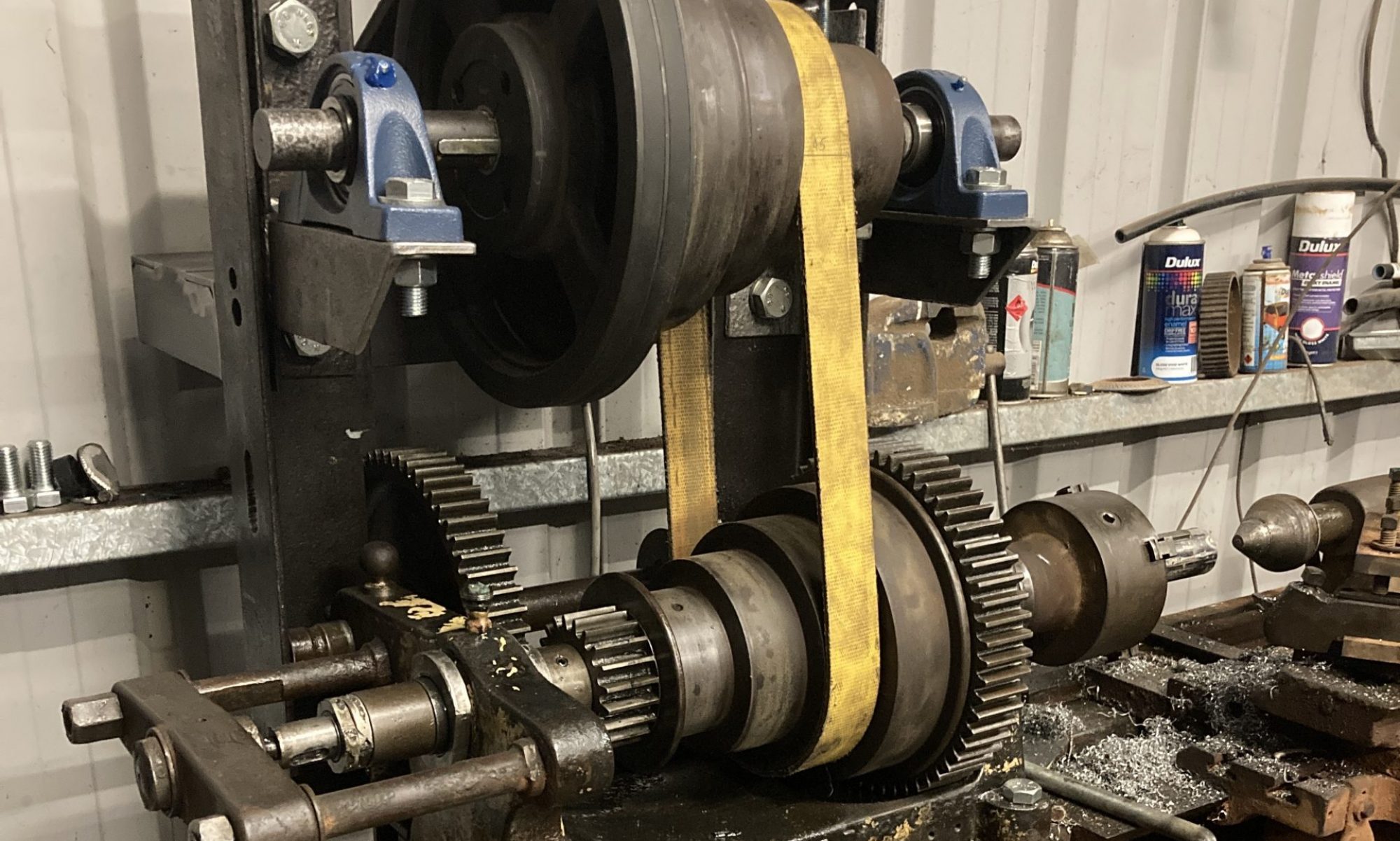
Not long after moving to Mildura, I began racing Speedway Dirt Karts.
It’s an affordable motorsport that I could enjoy racing with my son.
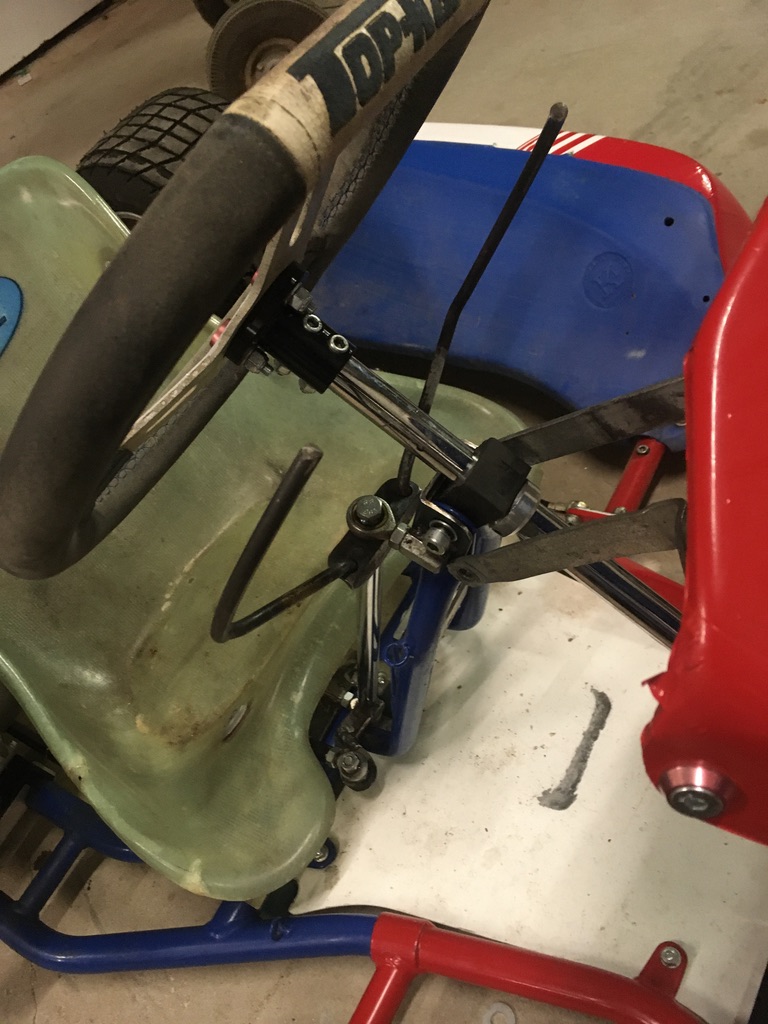
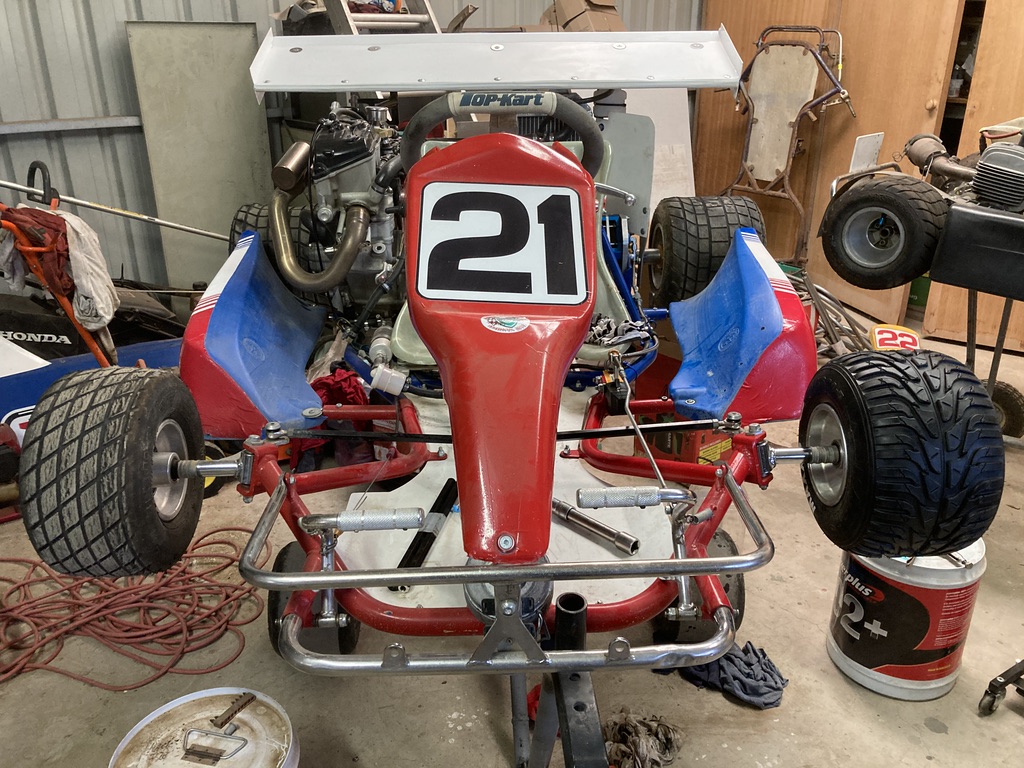
Many people use a purpose built dirt kart chassis, but I went the alternative and used a bitumen chassis and modified it for dirt.
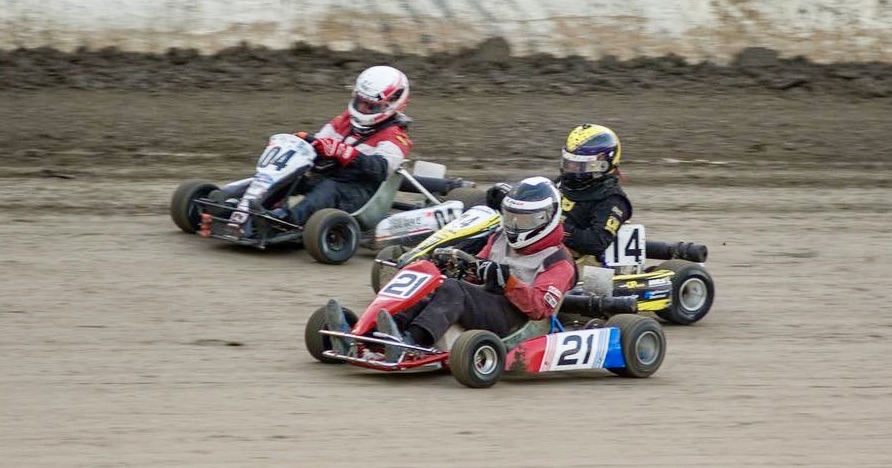
I did alright at it, usually mid pack as I was much heavier that many of the lighter drivers in the Yamaha KT100 class.
Frustration set in after travelling across the country to Darwin to race in SKAA Australian Title.
I returned home with two dead engines and decided that KT engines weren’t for me.
My interest piqued after I took my son to a night race meeting at Loxton.
It was an AIDKA (Australian Independent Dirt Kart Association) event. I wasn’t racing so my focus was on my son and making sure everything worked for him.
And then I heard it – a field of Outlaw Karts drove past and I decided I must have one of those.
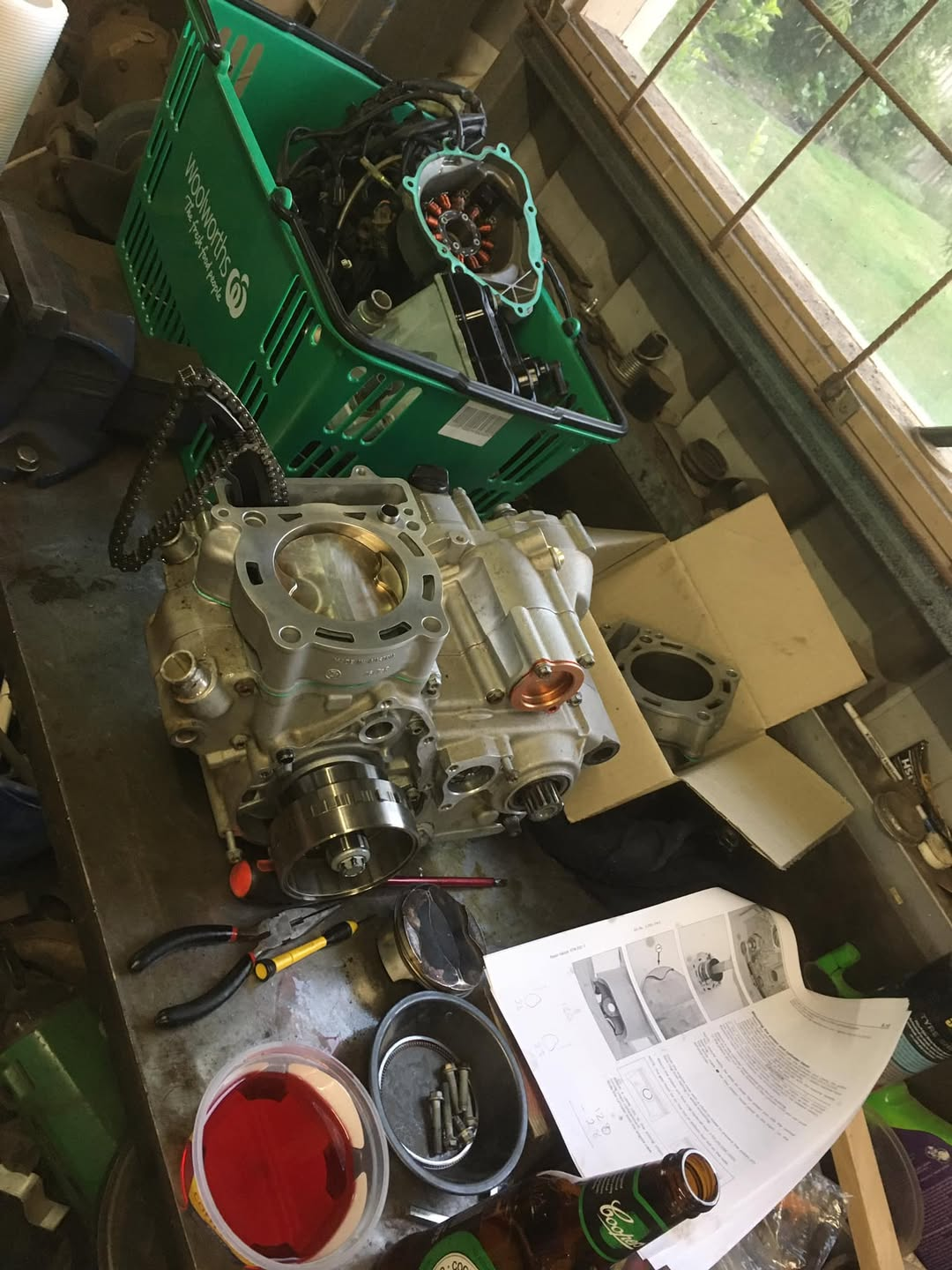
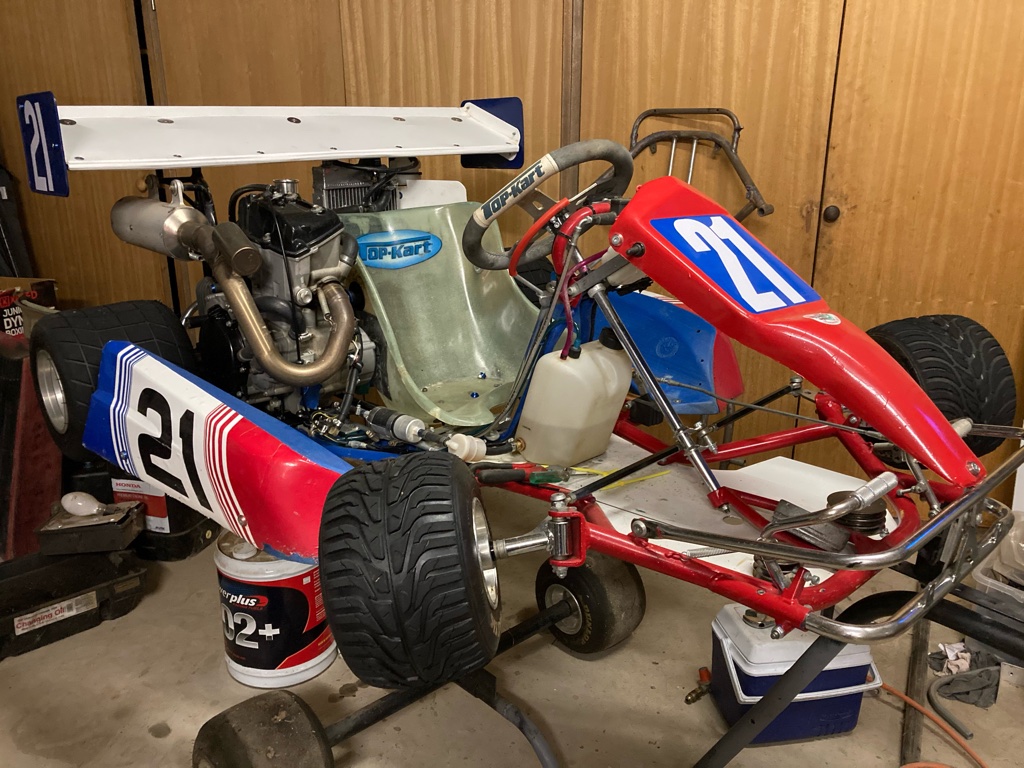
The hunt for an engine began and I came home with a basket case KTM 250 SXF – four stroke motocross engine. I rebuilt it and went about working out how to make it fit on my kart chassis.
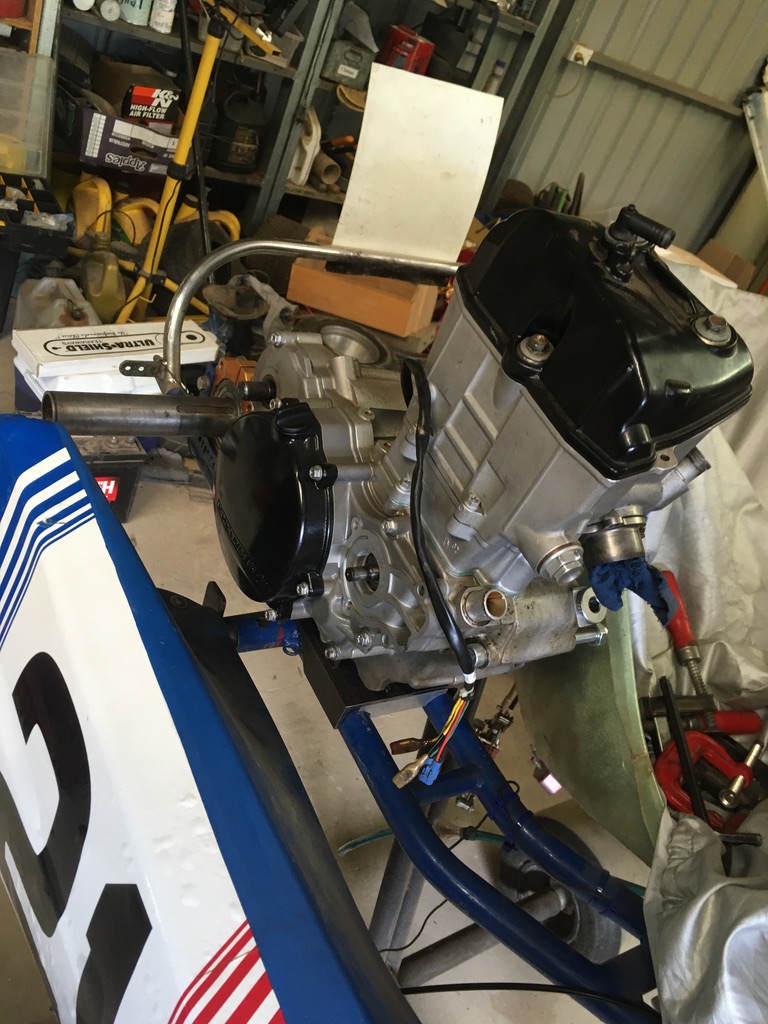
When I first put the engine on the kart – it didn’t look like much work, but there was a bit more to it.
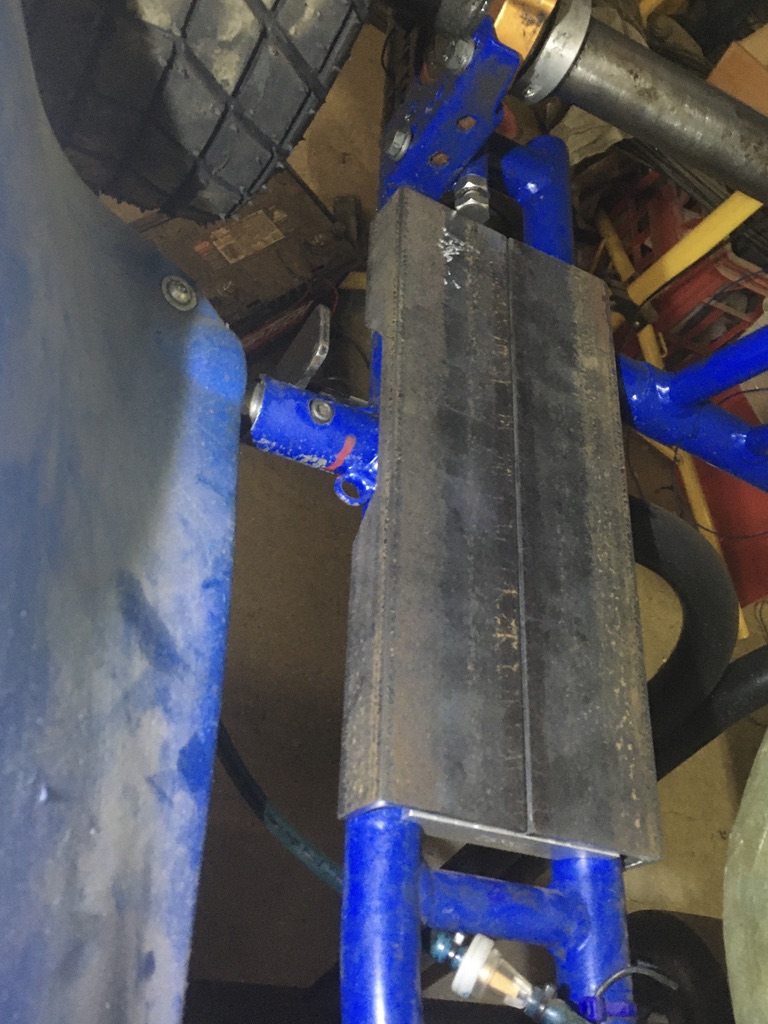
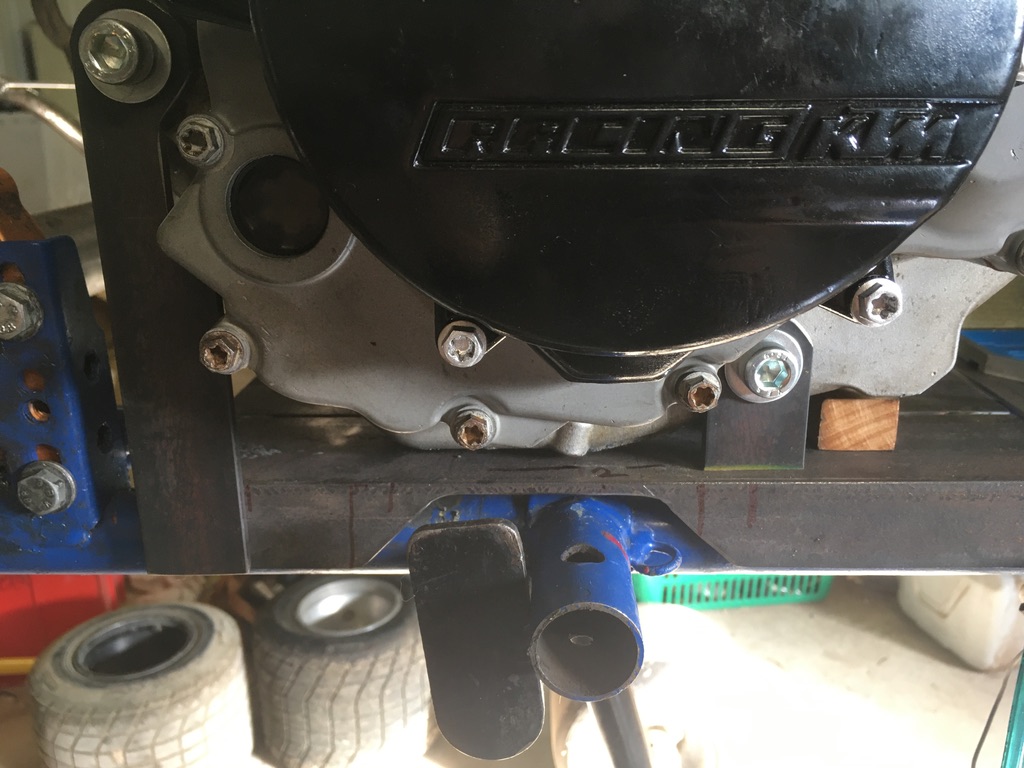
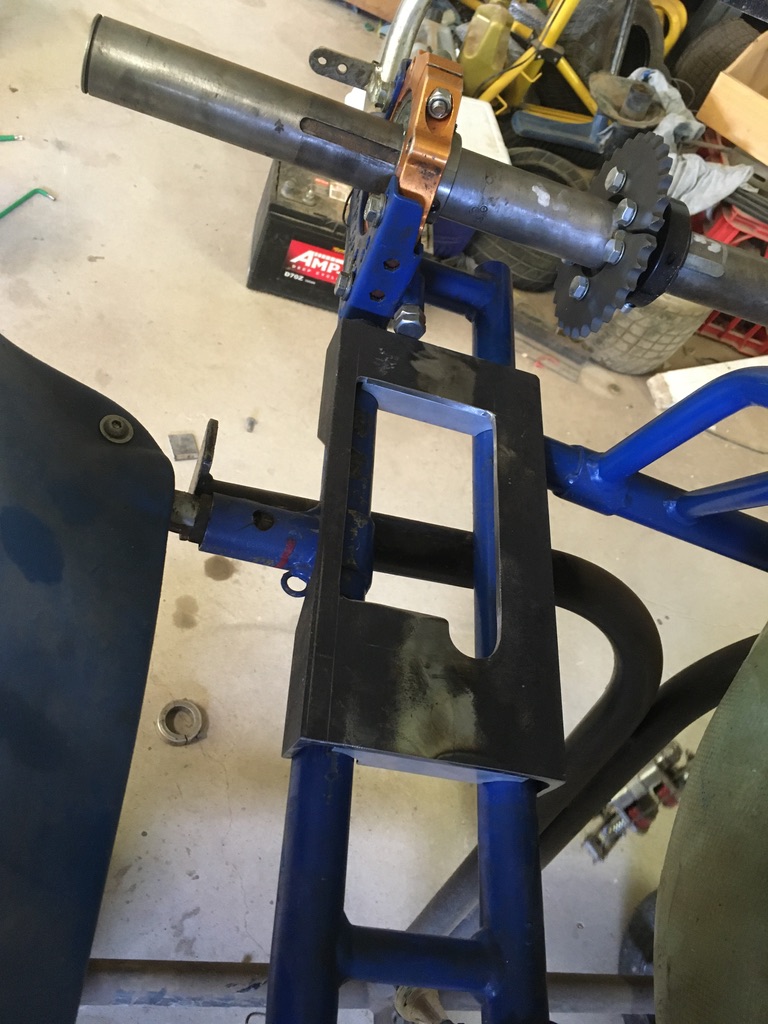
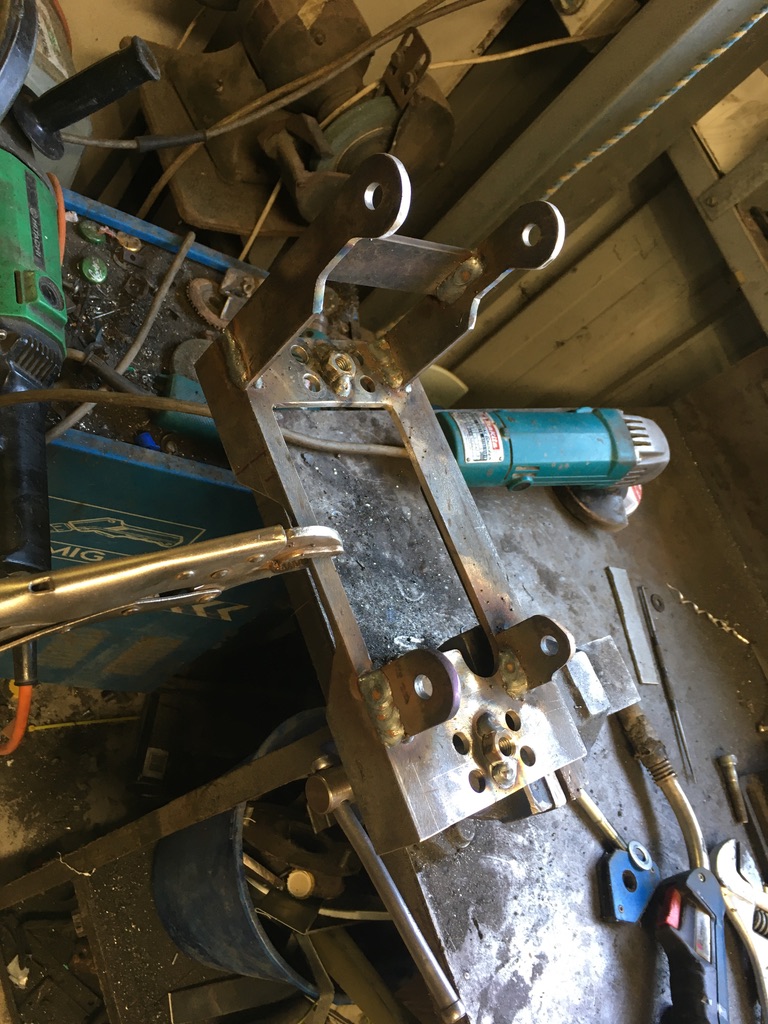
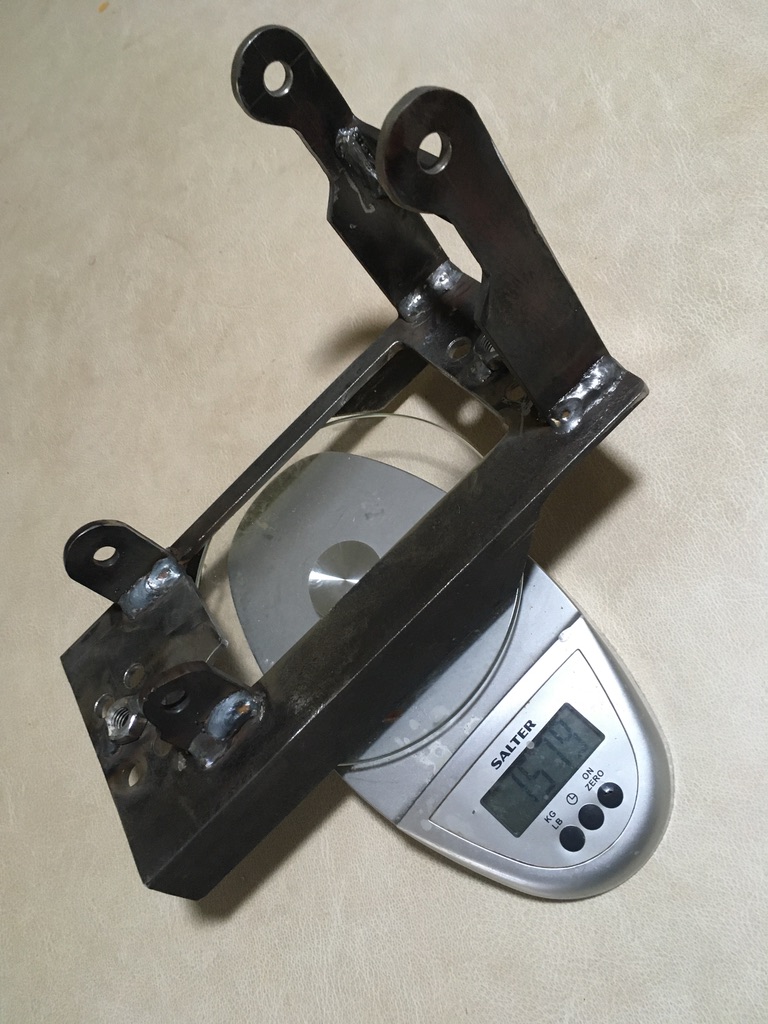
I decided to make an engine mount from two pieces of angle iron that was cut down to fit over the chassis so it could still slide to adjust the chain tension.
It also allowed for a flat square platform that I could mount the engine too.
A pair of flush mount alloy engine brackets were used, but upside down to fit into the top of the engine bracket. They were helicoiled and drilled so that conventional engine mount clamps could be used underneath.
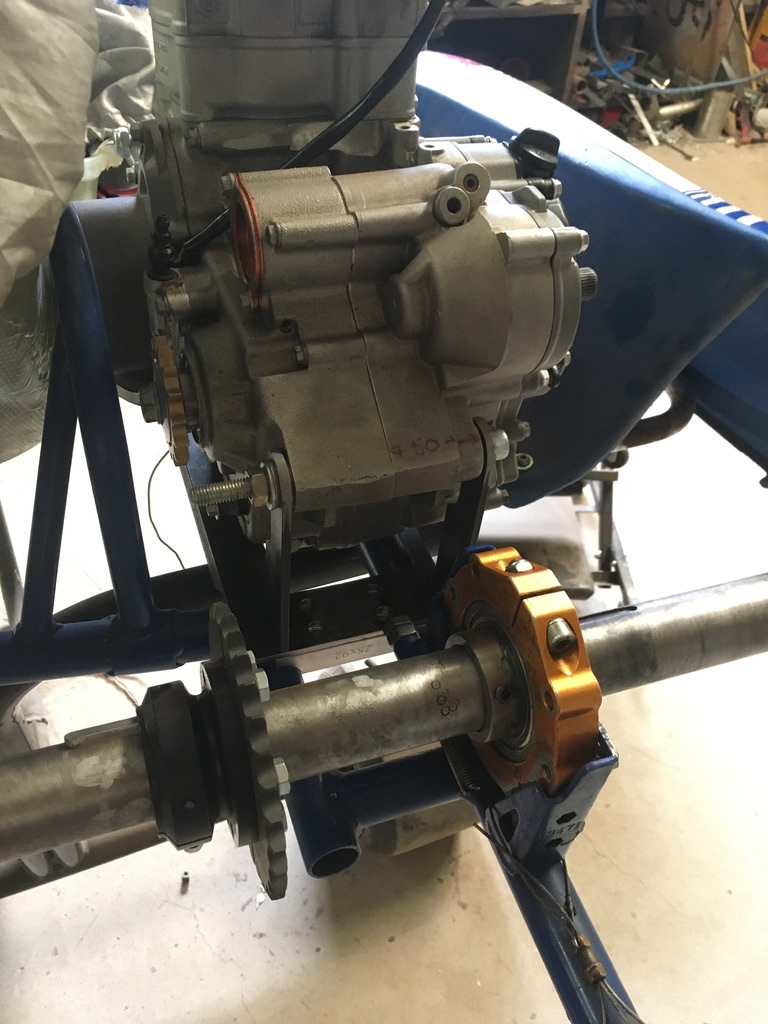
Instead of sourcing a custom made 520 pitch rear sprocket to match the existing 520 sprocket on the engine, I went for an off the shelf method
Looking through the Talon sprocket catalogue, it found that they make a 428 sprocket in either 15 or 16 tooth, (part numbers TG326-15 or TG326-16)
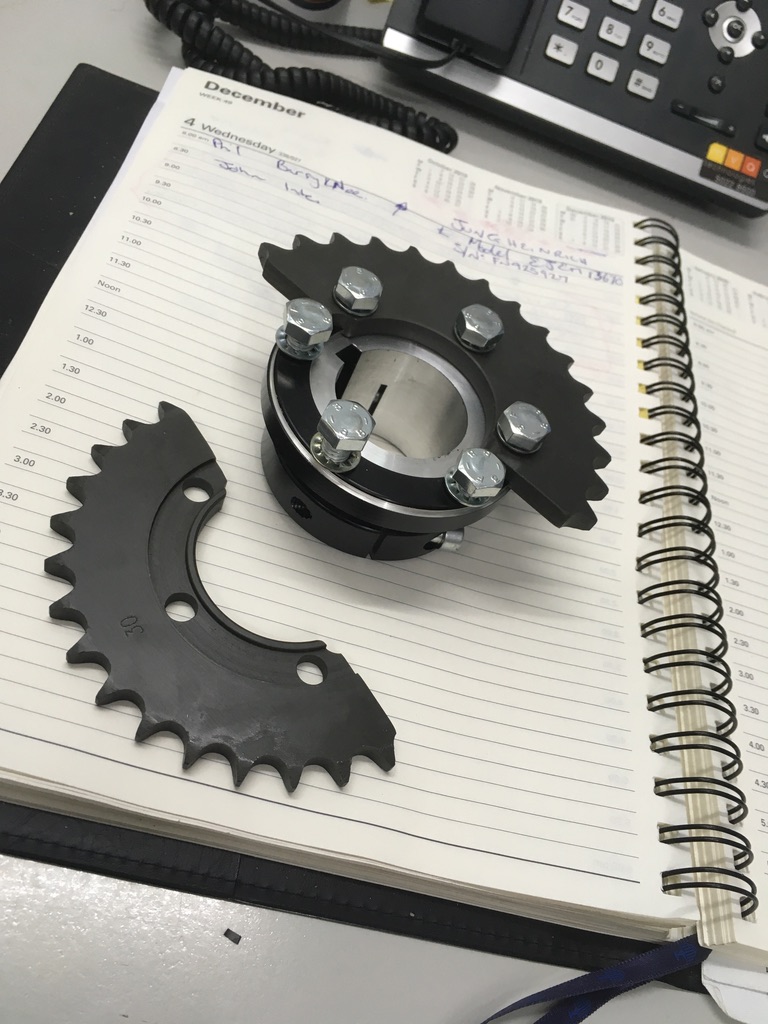
Righetti also makes a KC410 aluminum hub which allows for a range of two piece 428 sprockets to bolt up. The two sprockets are coupled together with a DID 428VX x-ring chain. I bought a 136 link chain and managed enough chain to make a spare one.
Initial concerns were if the 428 chain and sprockets would hold up. The sprockets are hardened so they are wearing very well and the chain is also fine.
I think given that it is not strained like a motocross bike i.e. jumping, it will last quite a while.
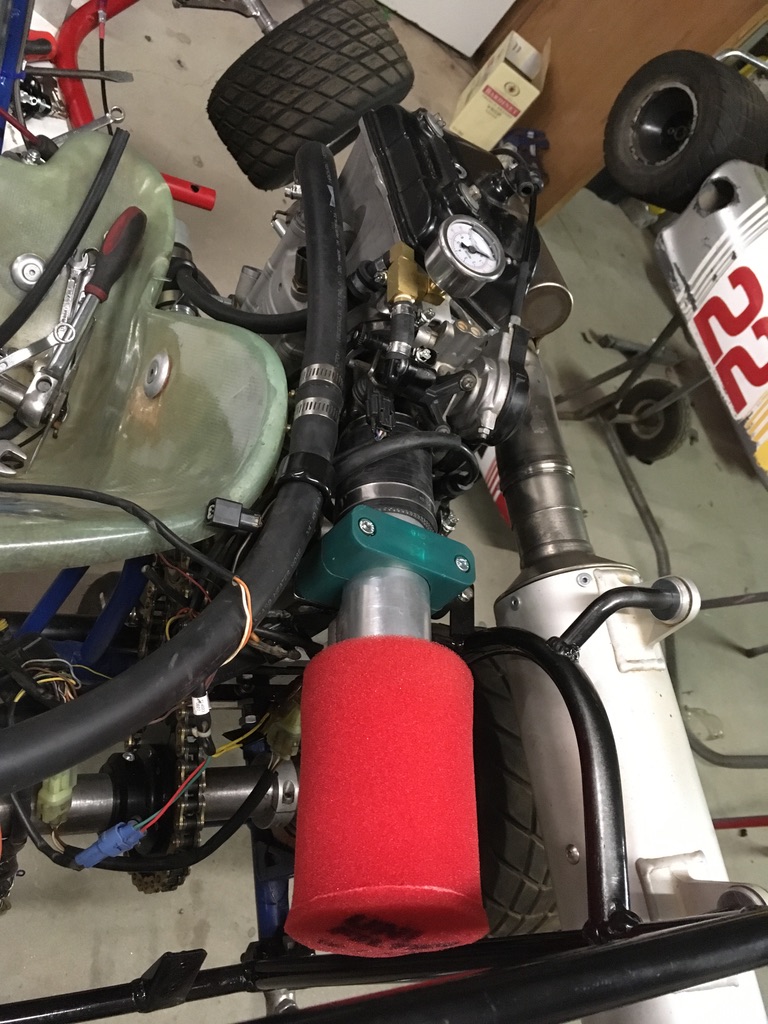
The fuel is fed to the engine via a Walbro GSL414 which only consumes about 3amps through an adjustable fuel regulator set at 45 PSI.
A frame was made and secured at the back of the chassis for several purposes.
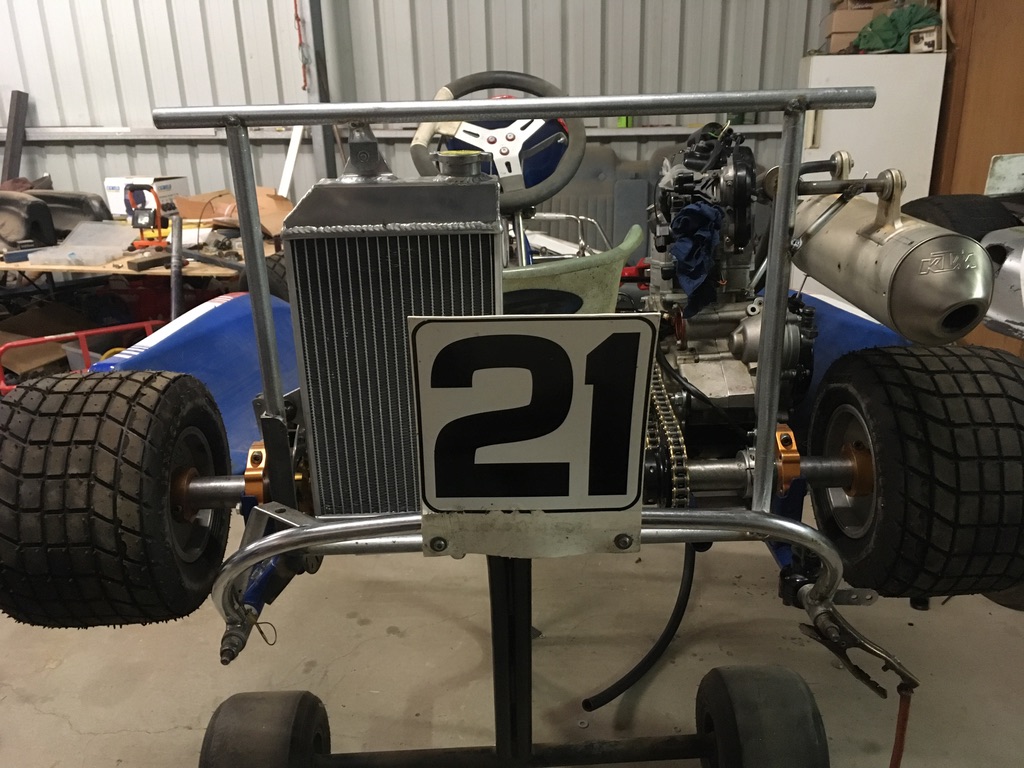
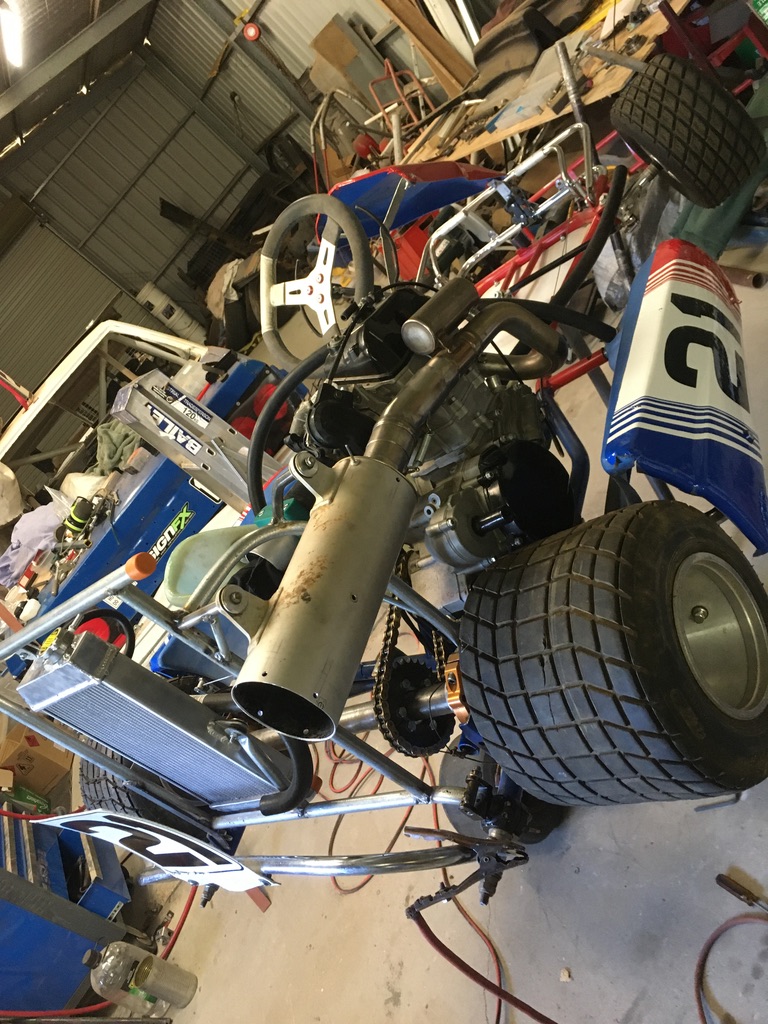
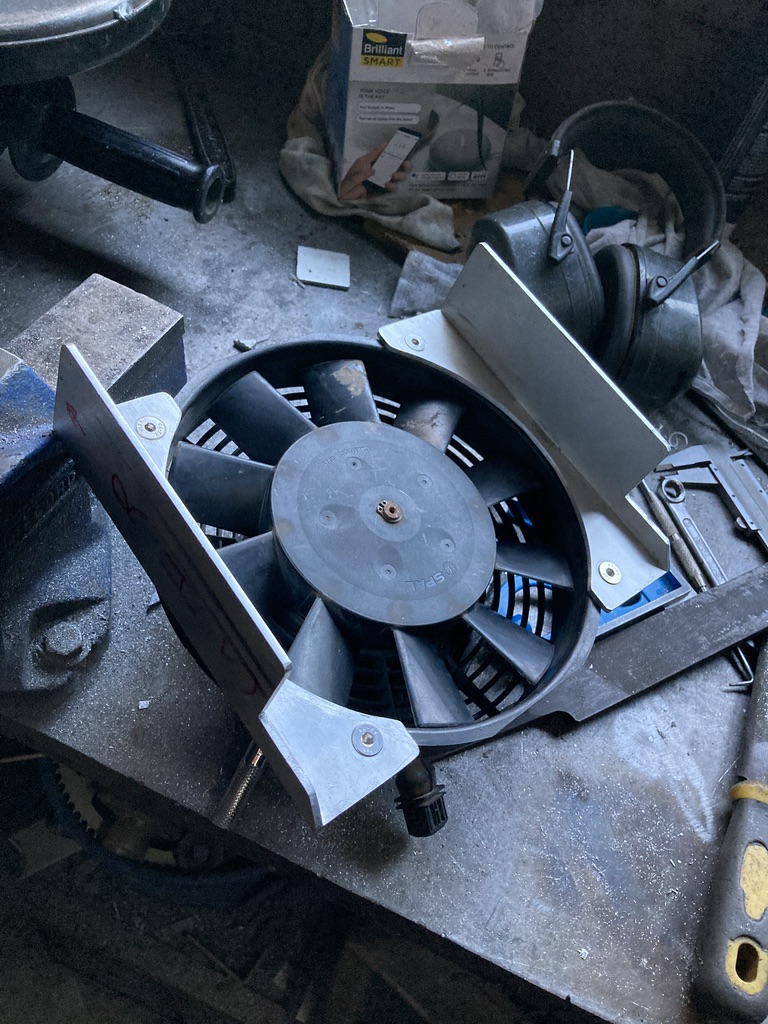
It holds a radiator from a Yamaha Banshee to keep it cool as it also uses 19mm hose like the KTM.
The cut down muffler also hangs from it using the original mounts.
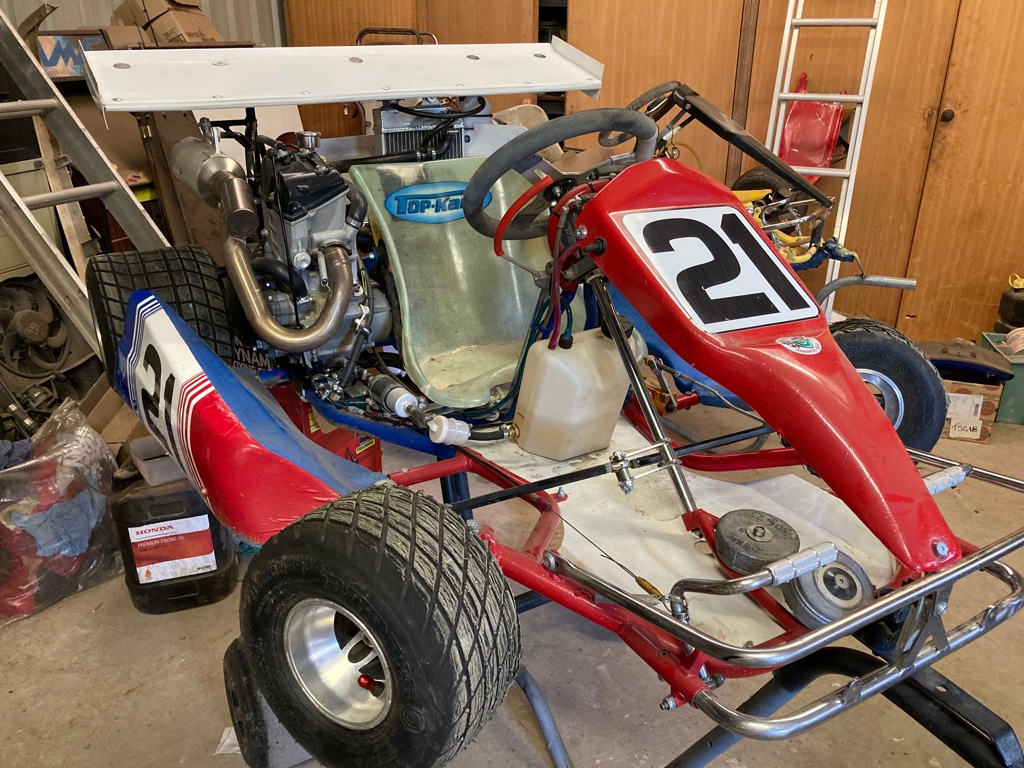
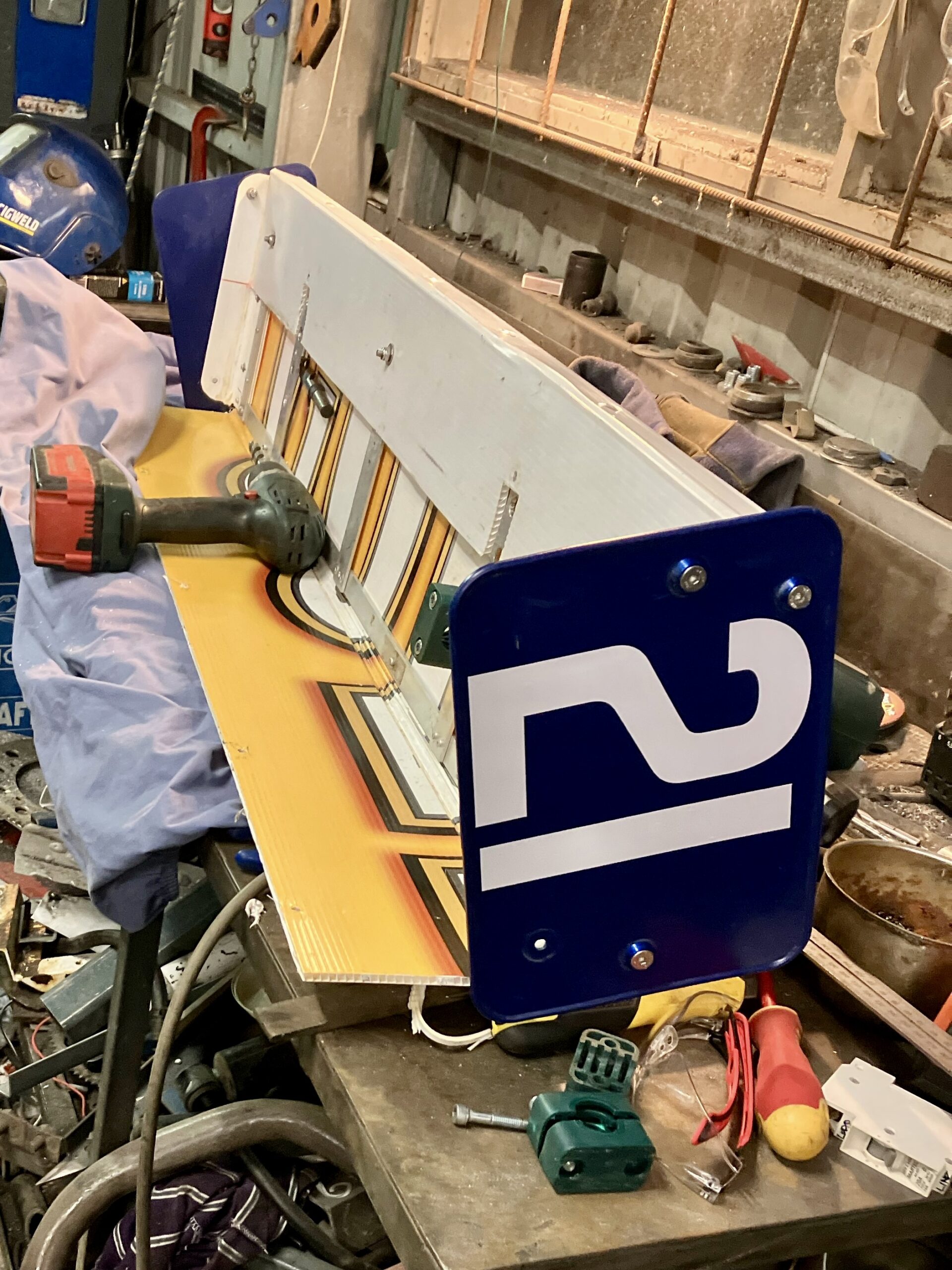
A requirement of an Outlaw is a wing, I’m not yet convinced it serves much purpose, but the frame is there to hold it in place too.
The wing is constructed from an aluminium frame wrapped in coreflute. The side number plates are racing quadbike plates and are attached from pieces of rectangular PVC down pipe.
The original motocross alternator was small and unable to power much more than the ECU and fuel pump.
An alternator was sourced from an EXCF 350 which was fitted in a flywheel cover from a later 250SXF which supported a starter motor.
This allowed for an electric start and a fan to be powered to cool the radiator.
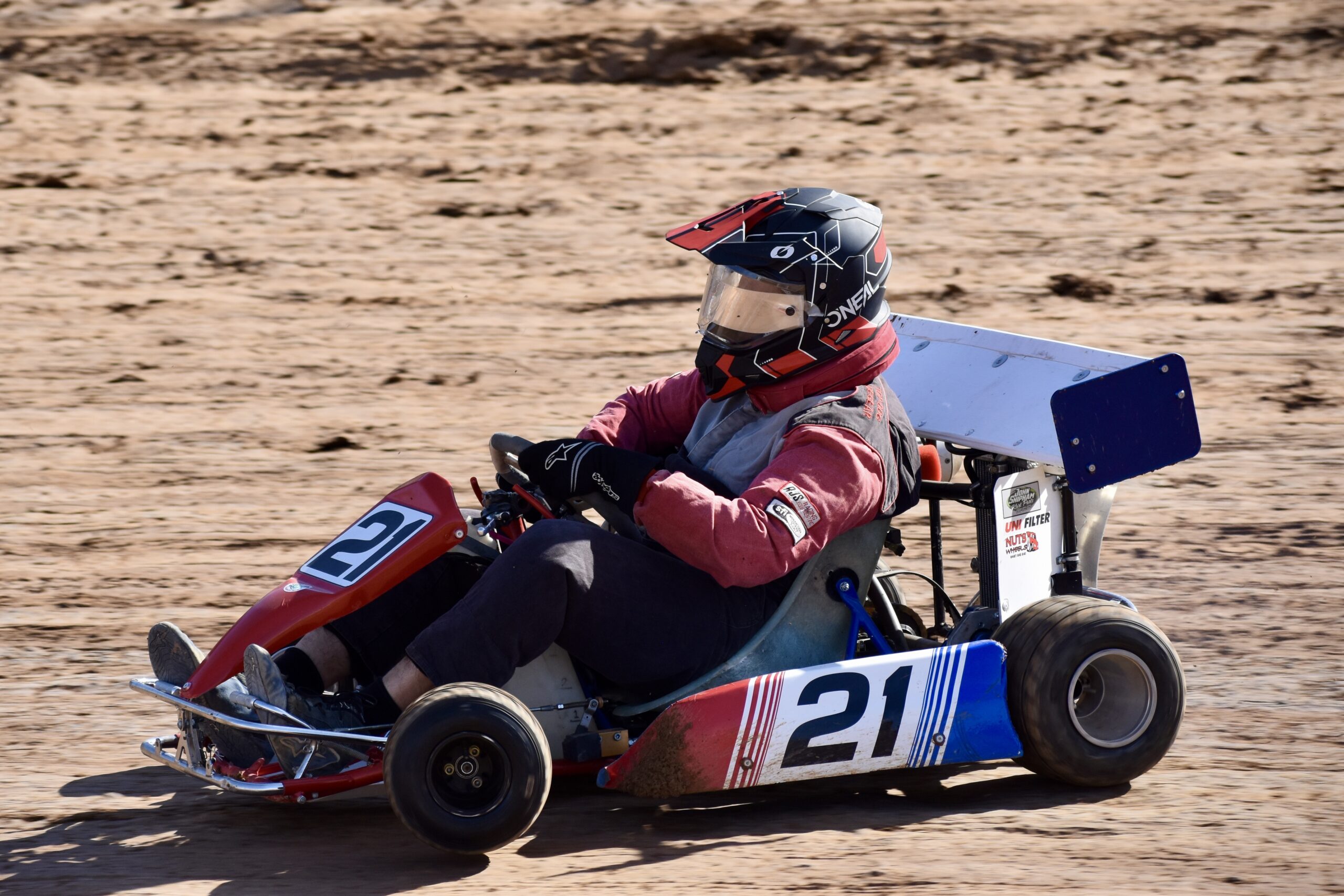
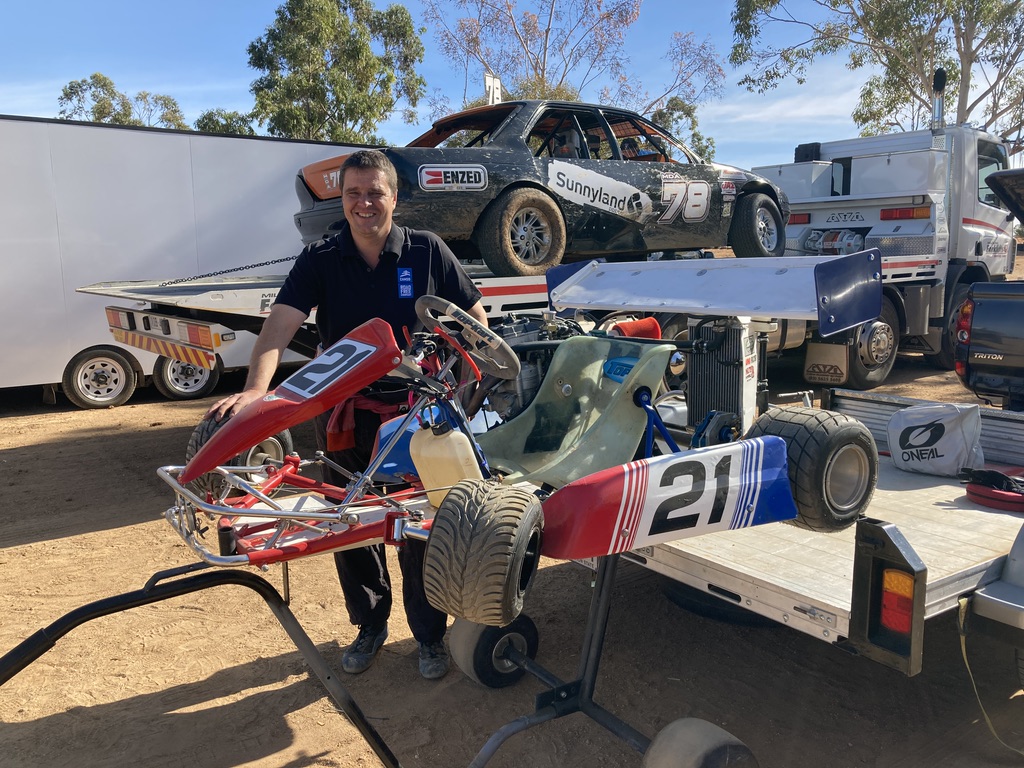
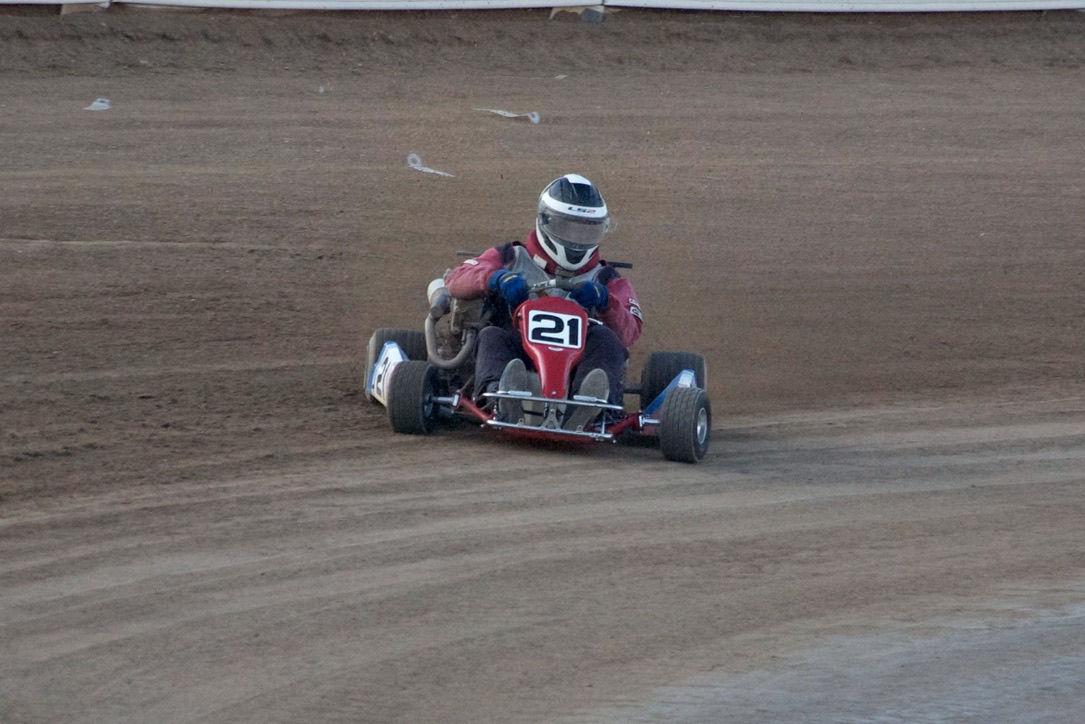
The rigid chassis suits the 250 engine well and I enjoy racing karts again.
There is no chasing gear ratios and swapping sprockets between races.
Just push the kart to the start grid, get in, press the start button and hang on.